Solaris
Overview
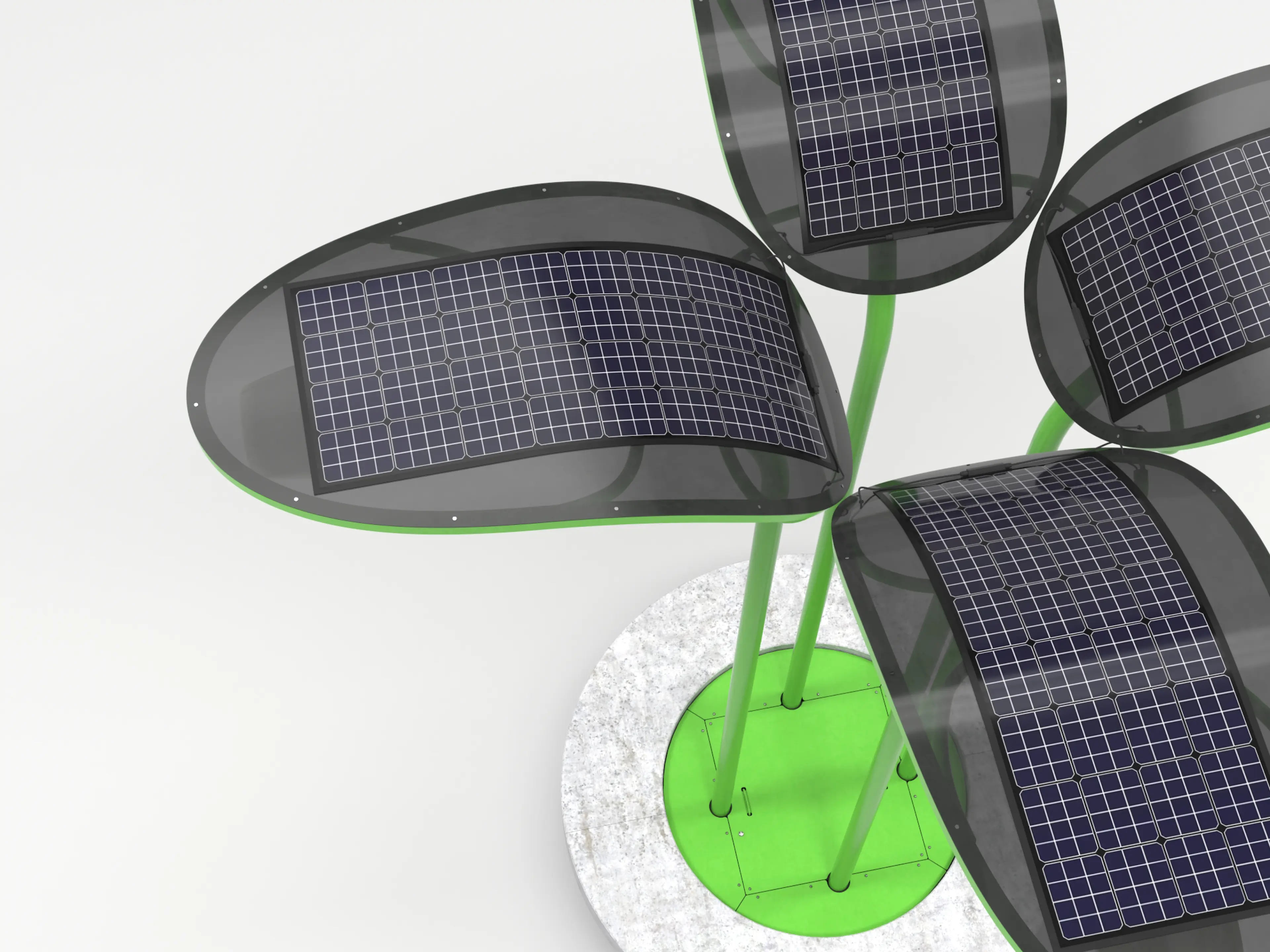
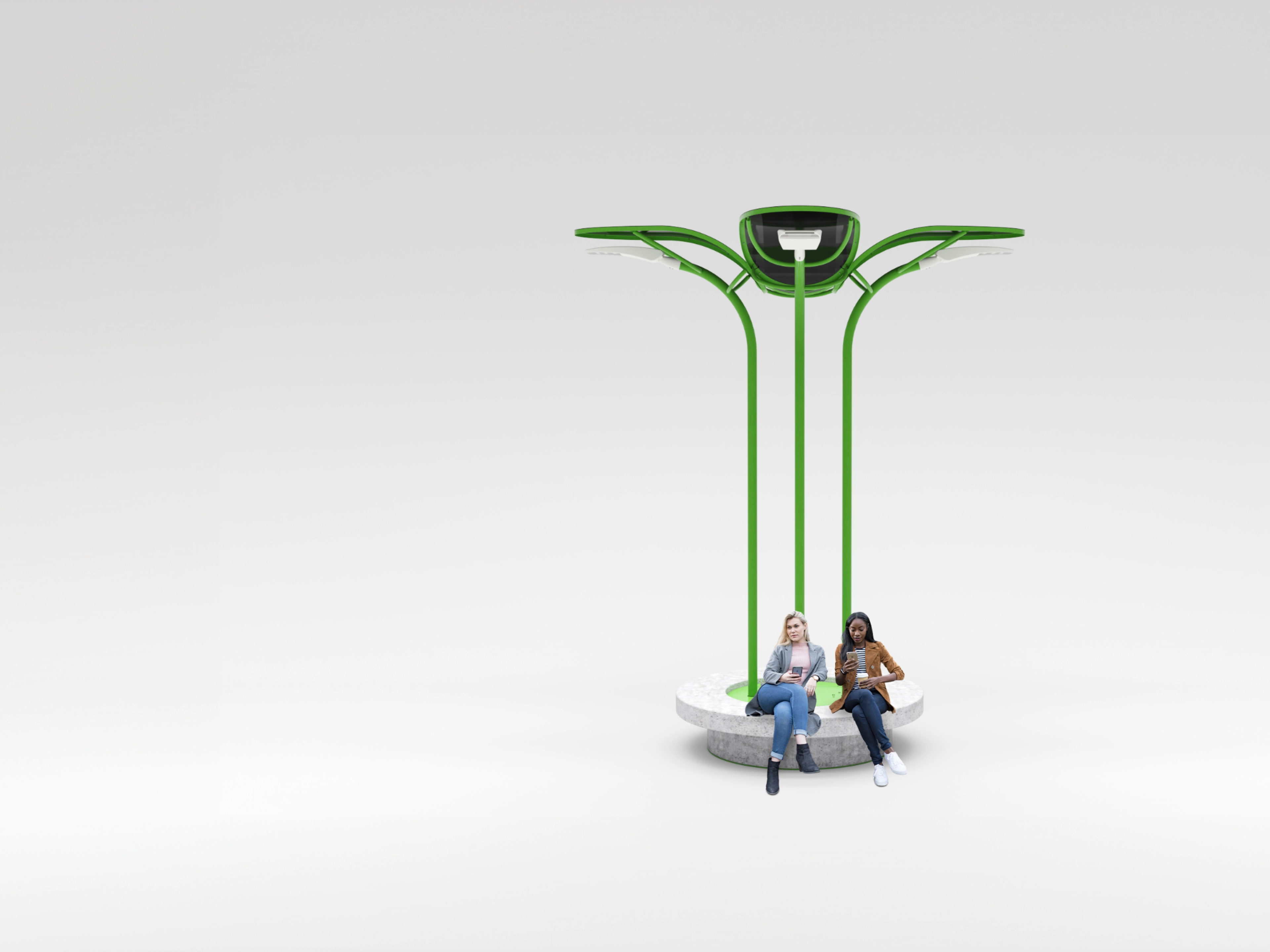
The project involved designing a public-use light with electrical autonomy, achieved through photovoltaic panels for installation in plazas. It featured a concrete resting area to protect the electrical system. Supervised by B&V Ingeniería's engineering department and developed in collaboration with a German bulb manufacturer, the innovative product was commercialized and installed in various plazas across the country.
The main goal was to replace traditional lights with solar solutions, reducing environmental impact and creating gathering spots for public interaction.
Overview
Problem
Goal
Ideation
Design
Impact
Transforming public spaces and promoting sustainability through the use of solar luminaires
Overview
The project involved designing a public-use light with electrical autonomy, achieved through photovoltaic panels for installation in plazas. It featured a concrete resting area to protect the electrical system. Supervised by B&V Ingeniería's engineering department and developed in collaboration with a German bulb manufacturer, the innovative product was commercialized and installed in various plazas across the country. The main goal was to replace traditional lights with solar solutions, reducing environmental impact and creating gathering spots for public interaction.
Problem Statement
During the research, it was found that there were no fully autonomous solar lights powered by long-lasting lithium batteries. Working with the engineering team, we calculated the minimum battery requirements to ensure the lights could operate all night with available sunlight. Another issue identified was the lack of lighting in public spaces, which contributes to higher crime rates and affects the safety of users in parks and community areas.
People who enjoy spending time in public spaces expect well-designed infrastructure and security, including adequate lighting in parks. However, many of these areas lack sufficient streetlights, making them unsafe and causing people to avoid them after dark.
Goal
To address this challenge, the goal was to design a light that could keep a long-lasting lithium battery charged without relying on the electrical grid, ensuring continuous illumination in parks and public spaces. By operating independently, the light could continue to function even during power outages. Additionally, the aim was to revitalize public spaces, making them more attractive and safe for all users.
Ideation
During the ideation stage, we worked with the engineering and marketing teams to create sketches of the device, aiming for an attractive design that could accommodate 250-watt photovoltaic panels. We also analyzed urban areas to determine the best shape for the seats, considering ergonomics and available space. The main goal was to ensure that these devices would blend seamlessly into park public spaces without causing visual clutter.
Design
After gathering all the necessary information and finalizing the design and dimensions, we created construction plans in Rhino and CAD, optimizing them for mechanical processes. For the first prototype, we used green electrostatic paint to simulate flower petals on the main structure, adding a unique aesthetic touch. The supports and seats were coated with reinforced concrete to protect the battery’s electrical system and provide strong support for the lights. Once the prototype was assembled, we completed the electrical installations and precise measurements to ensure flawless operation.
Impact
The project had a highly positive impact after being implemented in urban areas with limited public lighting. Field tests showed significant improvement in the park, turning it into a safe and inviting space for residents to enjoy at night. This upgrade provided better lighting, along with energy savings and reduced maintenance costs for the lights. The park’s transformation enhanced the area's nightlife and increased safety.