Kuadi Research
概要
このプロジェクトは、SiemensのJackソフトウェアを使用してシートのデザインとコントロールパネルへのアクセスを再設計することで、配送車両キャビンの快適性と効率性を向上させるための方法論を開発することに焦点を当てました。
運転手の快適さを向上させるための取り組みであり、デザイン、エンジニアリング、人間工学の分野をカバーしました。ユーザー中心のアプローチと調査方法を使用して、配送車両の新しい基準を確立しました。
概要
問題
目標
アイデーション
デザイン
引き渡し
影響
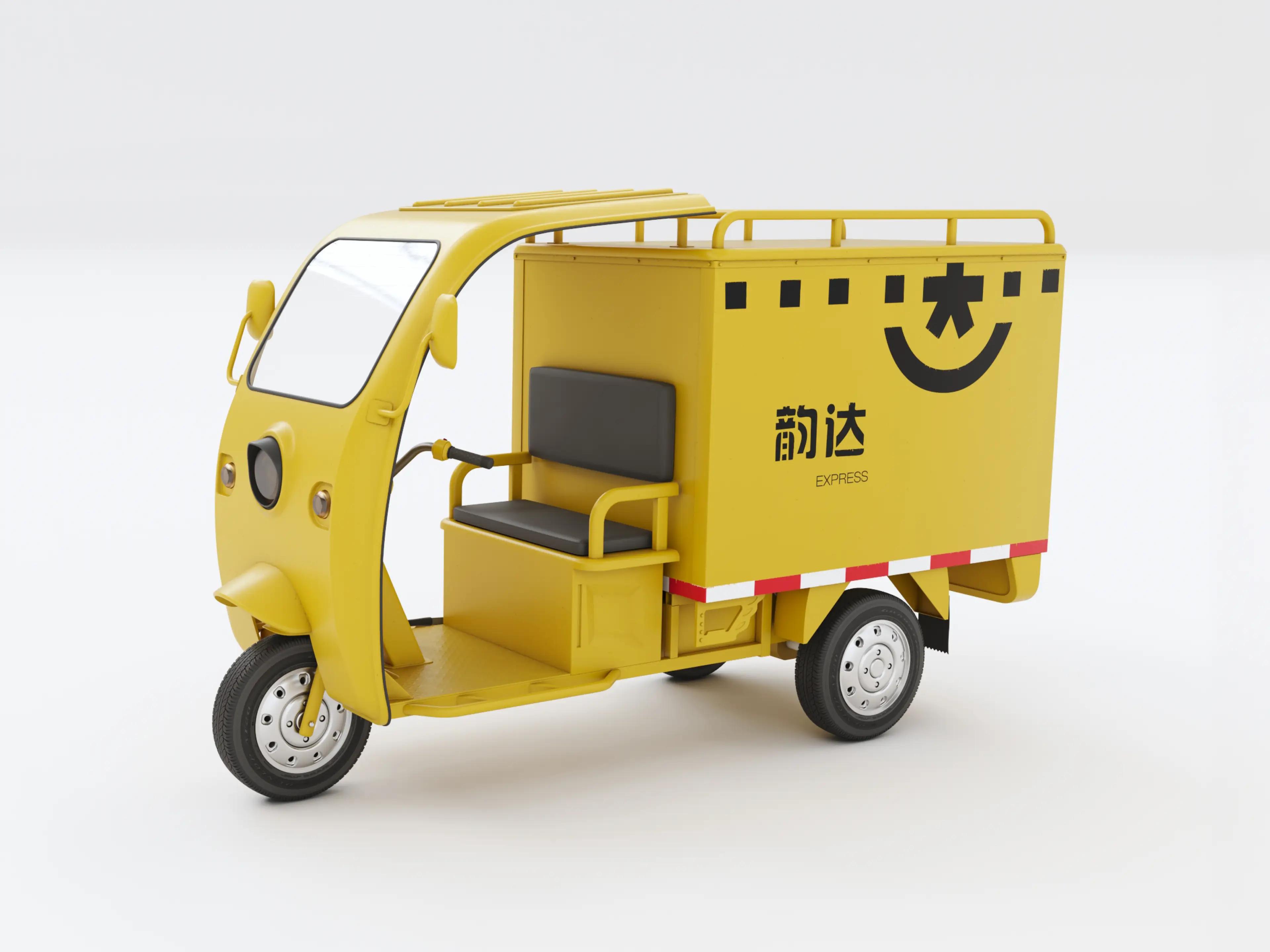
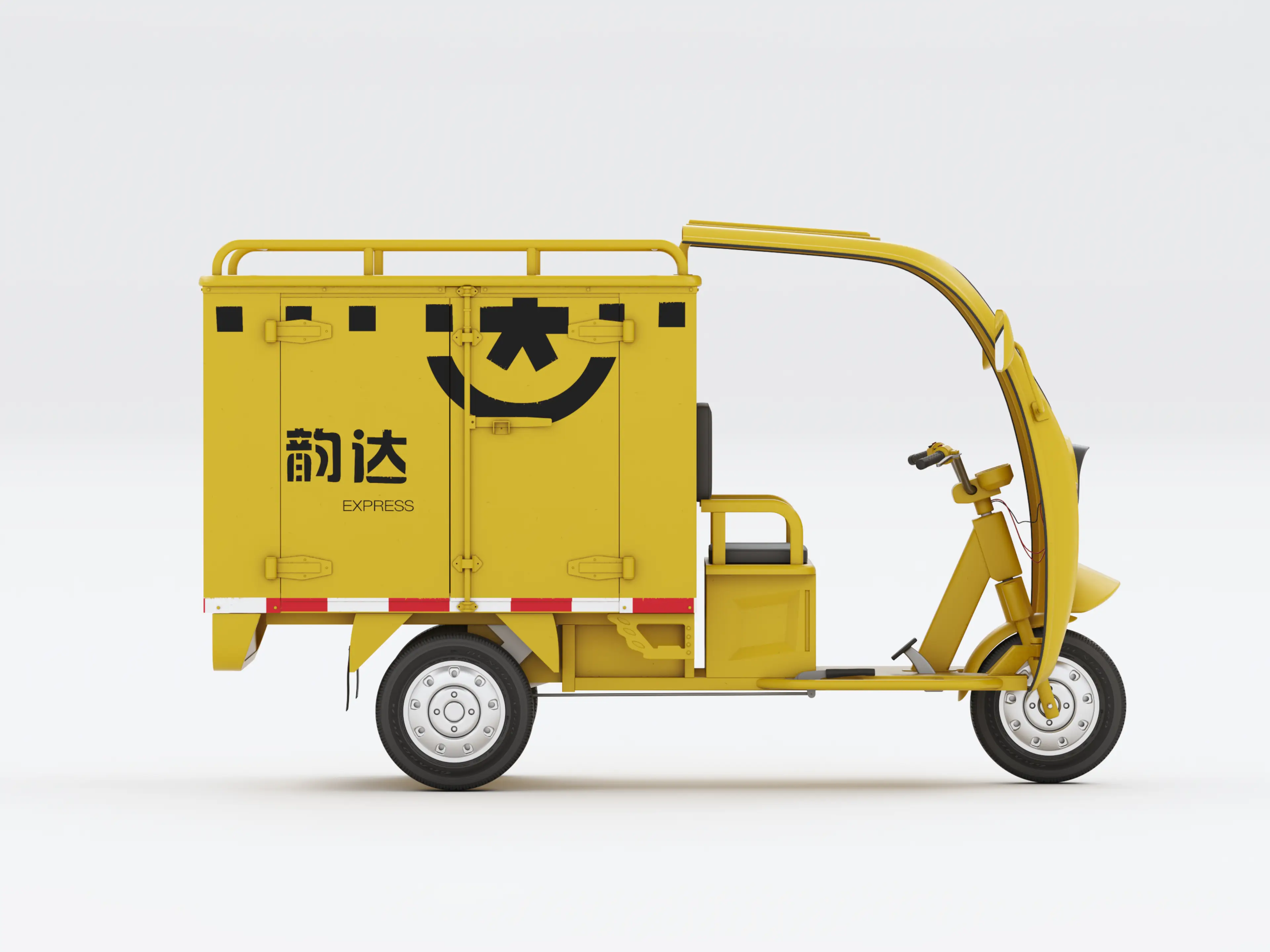
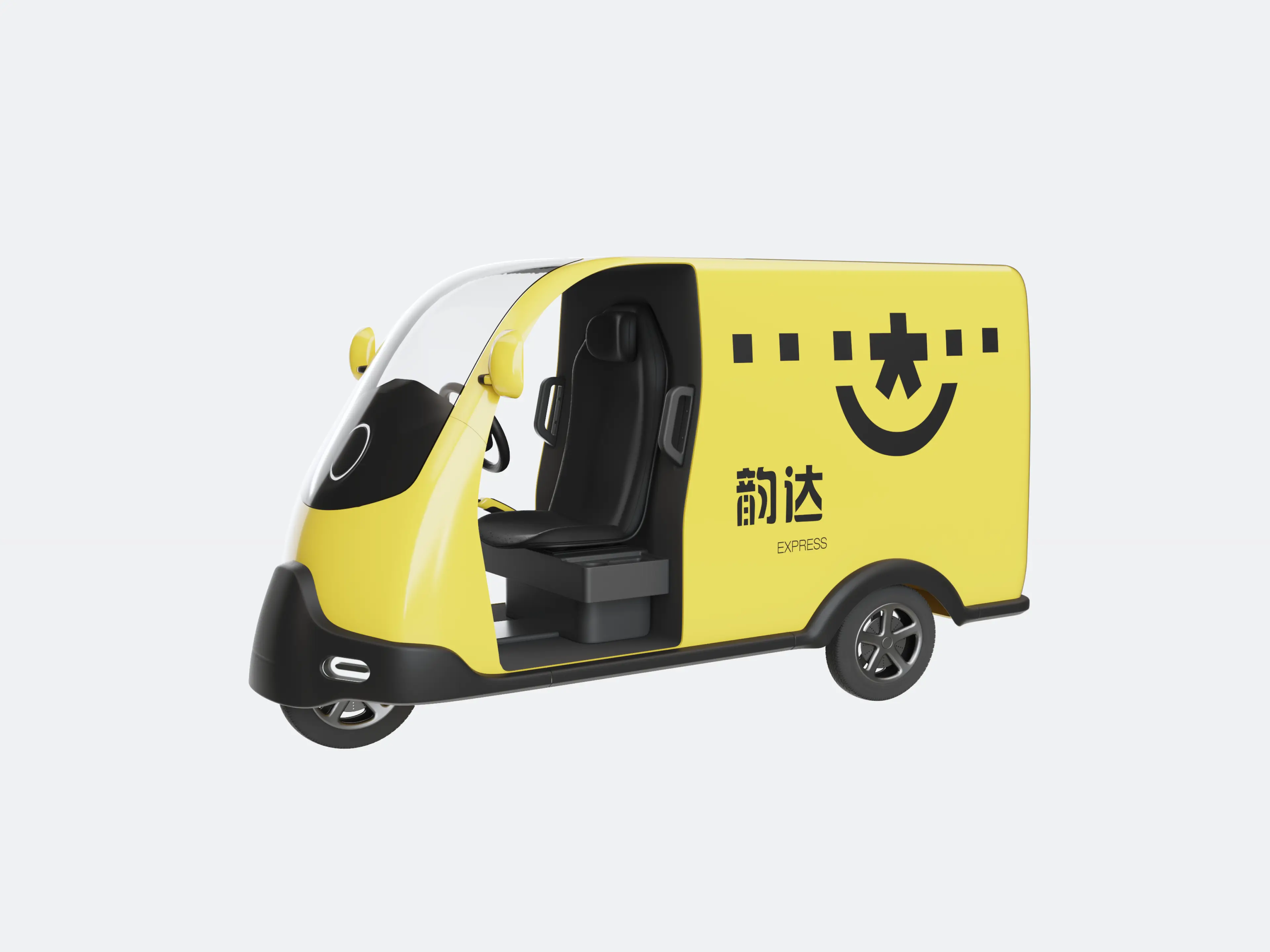
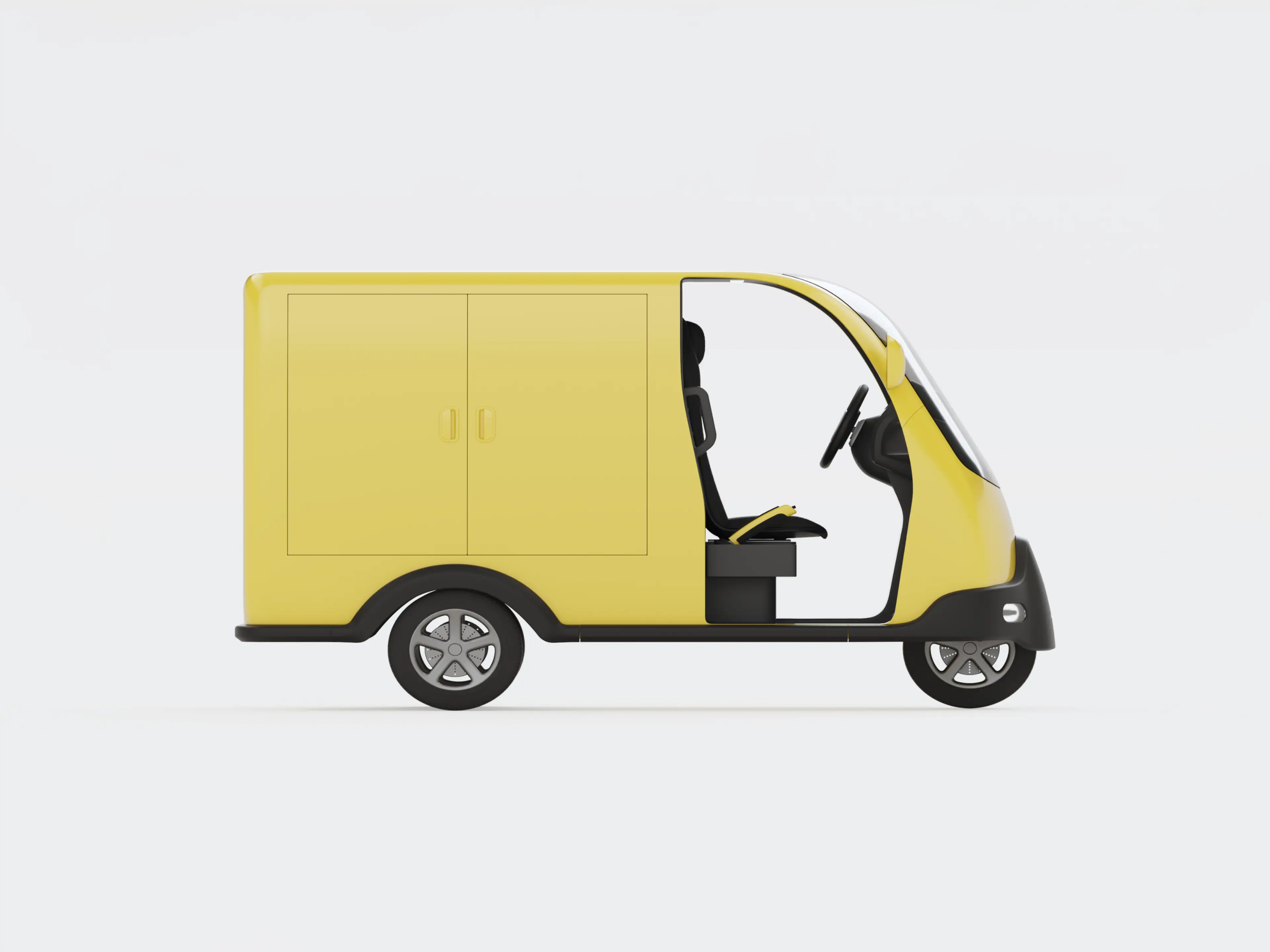
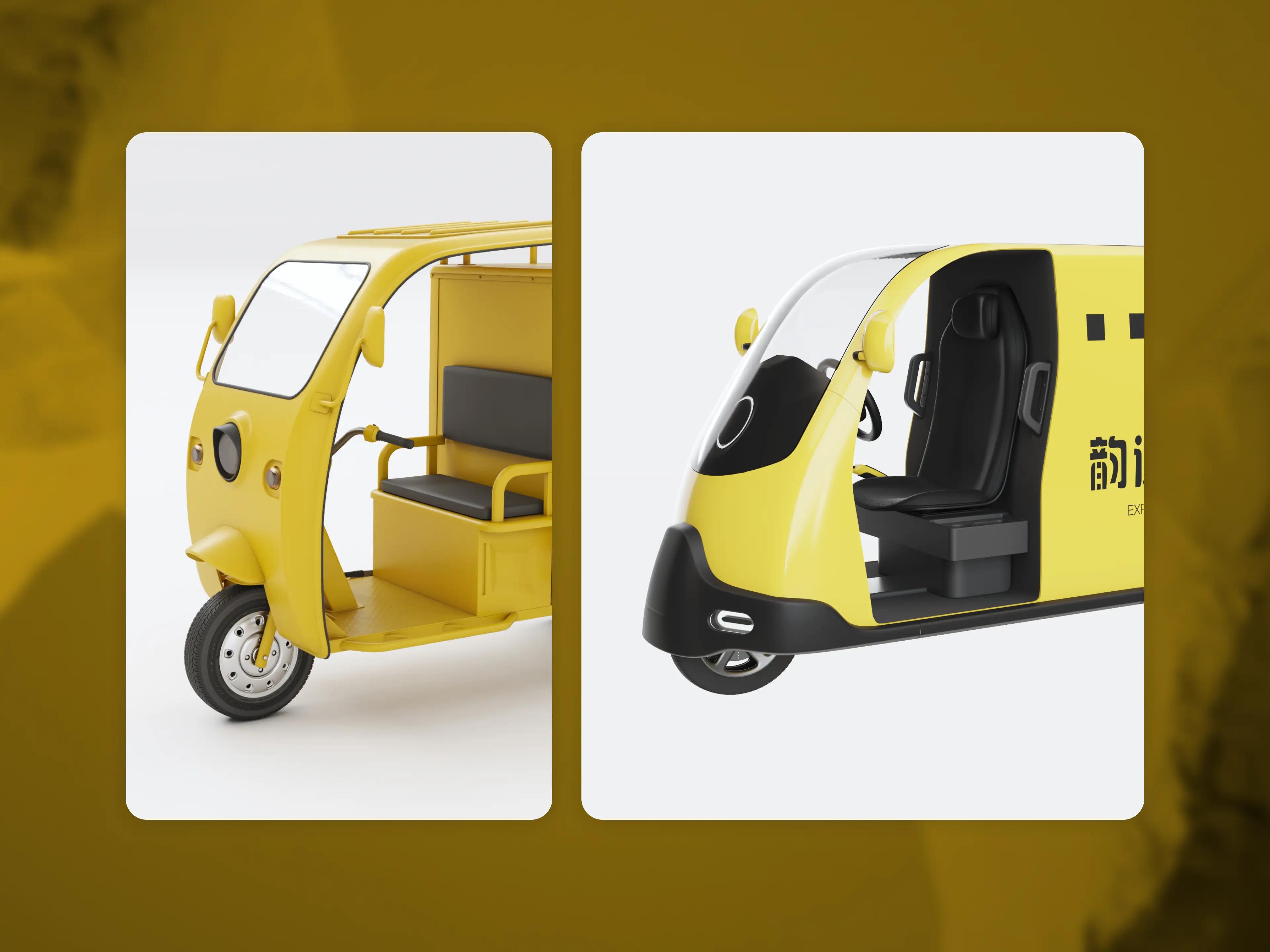
Enhancing ergonomics in delivery vehicle cabins using UX methods
Overview
The project focused on developing a methodology to improve the ergonomics of delivery vehicle cabins, enhancing driver comfort and efficiency by redesigning seats and control panel accessibility using Siemens' Jack software. The initiative, launched to improve service through driver well-being, encompassed areas such as design, engineering, and ergonomics. With a user-centered approach and the use of research methodologies, new standards were established for delivery vehicles.
Problem Statement
The initial hypothesis, developed from the case study analysis, indicated that although the delivery vehicles functioned as standard vehicles, they were not specifically designed for this task or adapted to the diverse characteristics of the users. This led to user fatigue, exacerbated by their long working hours. Additionally, the control panel and driving features did not meet the necessary standards, showing issues with visibility and accessibility, and overall low quality
Delivery vehicles need to reduce driver fatigue during long work hours. The current cabins do not provide the necessary ergonomic support, impacting efficiency.
Goal
The main objective was to develop a methodology to improve the comfort and efficiency of delivery vehicles. The project focused on redesigning the cabin to ergonomically suit the drivers' needs, addressing issues of fatigue and efficiency. As a result, new standards were established for these vehicles, redefining design criteria and optimizing the user experience. The project also included an evaluation method to measure efficiency through iterative processes based on predictive modules.
Ideation
The conceptualization of the idea began using various tools and methodologies to address the challenge. Interviews with drivers were conducted, data was analyzed, and vehicle simulations were generated to thoroughly understand the critical needs of the users. Siemens Jack Tecnomatix was used to align these needs and validate the proposed solutions. By integrating empirical research, data analysis, and a user-centered approach, solid concepts were developed to optimize the vehicle's ergonomics.
Design
During the design phase, tests were conducted with users to understand how they interacted with the cabin. Tools like task analysis were used to identify problems and areas for improvement, evaluating stress on different parts of the body through software simulations. Each design iteration was adjusted to enhance ergonomics and component accessibility. A 3D model of the vehicle was created to simulate user behavior, measure stress, and adjust aspects such as control layout and field of view. After several iterations, improvements were applied to a new vehicle model, which was then compared to others to assess its efficiency.
Handoff
Once the design of the new vehicle model was completed, additional simulations were conducted to ensure that the data and project requirements aligned correctly. The seat posture was adjusted, and improvements were made to the control panel design and the field of view to achieve more ergonomic and efficient operation. Finally, the results, methodologies, and reports were delivered for implementing the identified improvements.
Impact
The project focused on improving the comfort and functionality of the vehicle. As a result, a 30% reduction in driver fatigue was achieved, along with a 25% increase in efficiency. Additionally, musculoskeletal problems were reduced by 20%, leading to greater comfort and job satisfaction. These results highlight the success of the redesign in optimizing the user experience.