ApexRide
ภาพรวม
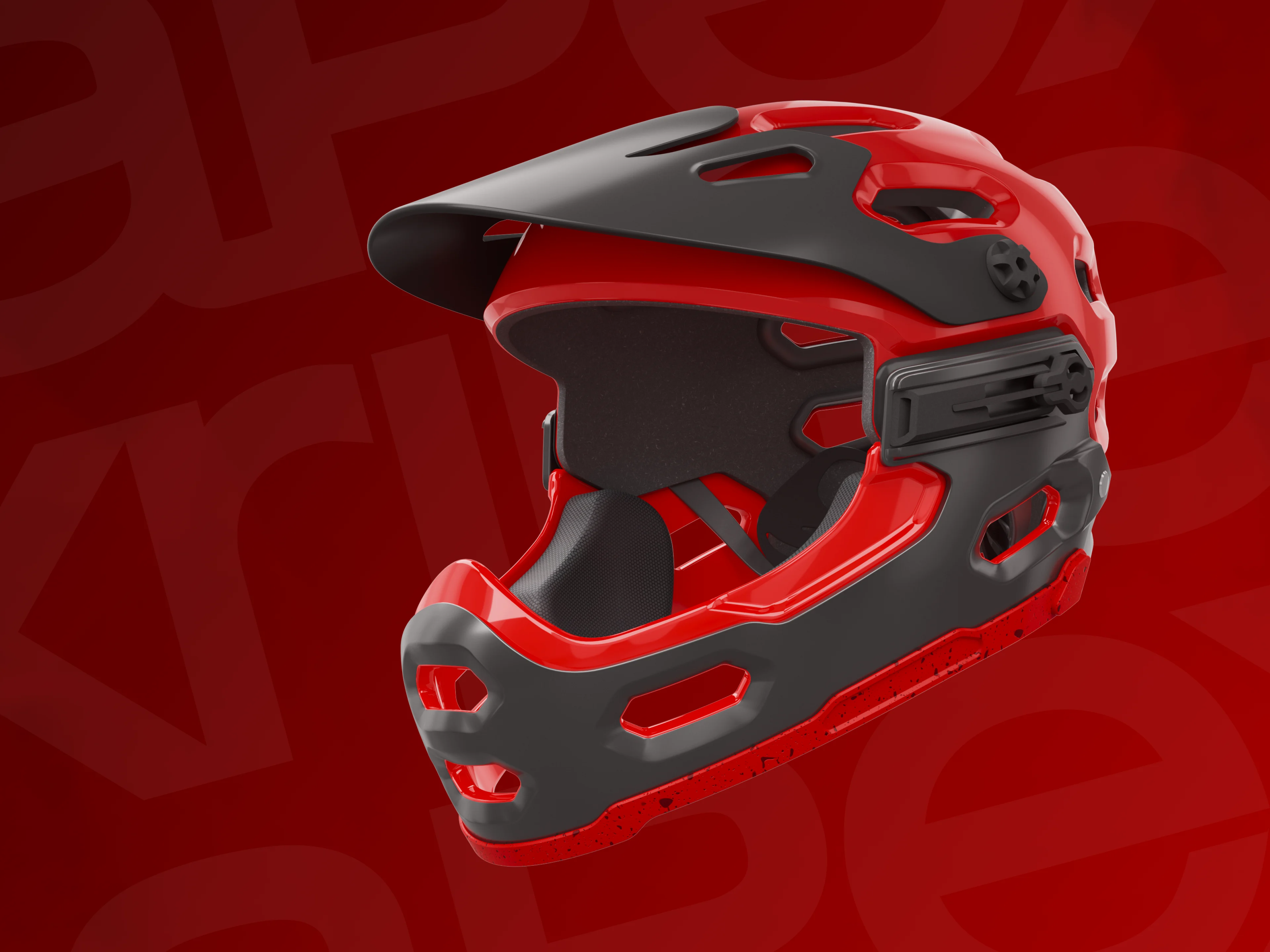
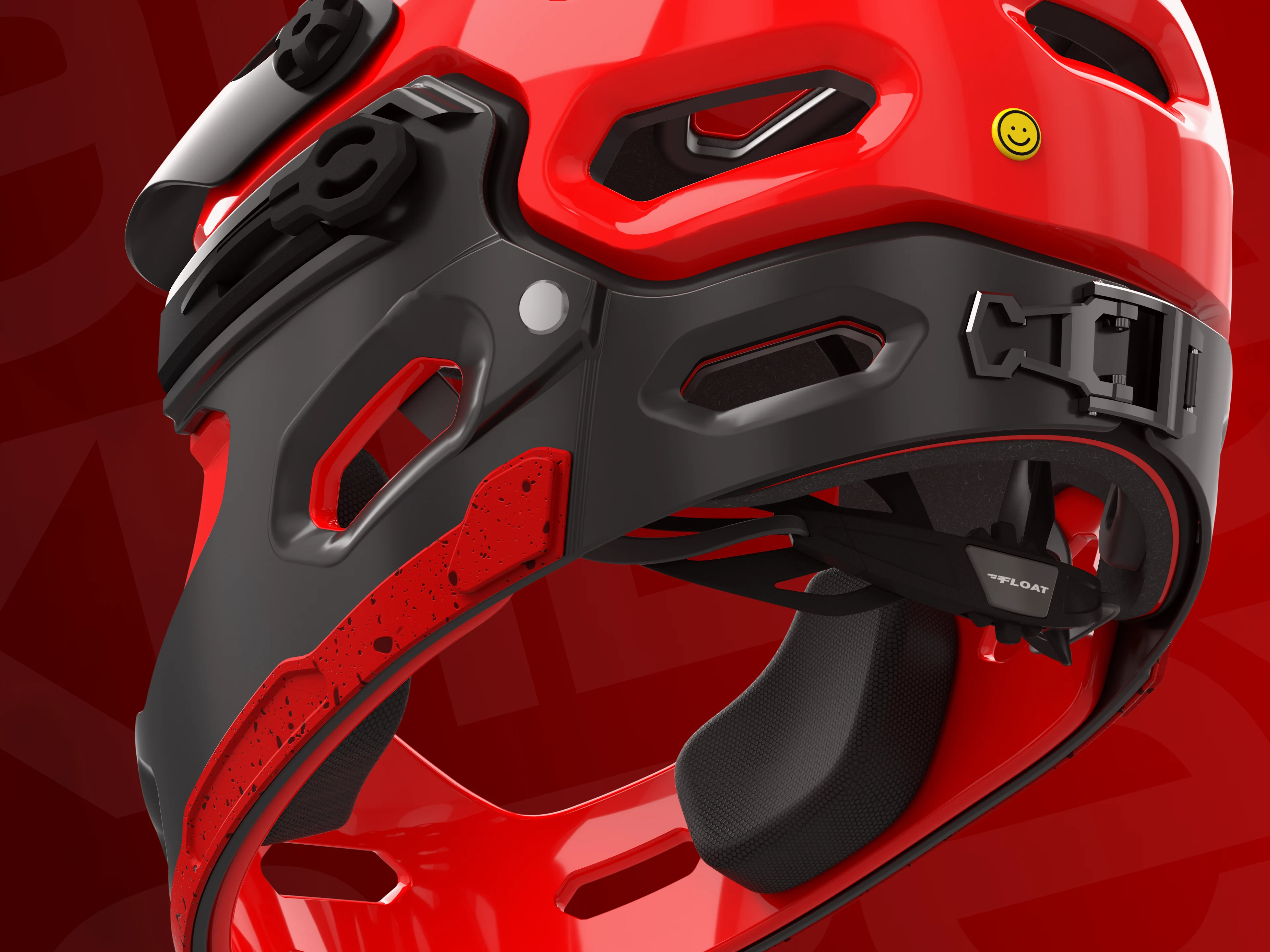
โครงการนี้มีเป้าหมายในการออกแบบหมวกกันน็อคที่สามารถปรับแต่งได้ซึ่งสามารถผลิตตามสั่งเพื่อตอบสนองความต้องการเฉพาะของลูกค้า หมวกกันน็อคมีการออกแบบแบบโมดูลาร์ที่สามารถถอดออกเป็นส่วนๆ แยกกันได้ ช่วยให้มันสามารถปรับให้เข้ากับกีฬาหรือข้อกำหนดที่แตกต่างกันได้
เป้าหมายคือการสร้างผลิตภัณฑ์ที่หลากหลายซึ่งเหมาะกับความต้องการของผู้ใช้แต่ละคน เพิ่มประสบการณ์และประสิทธิภาพในกีฬาต่างๆ
ภาพรวม
ปัญหา
เป้าหมาย
การสร้างแนวคิด
การออกแบบ
ผลกระทบ
Revolutionizing Motorcycle Helmet Comfort for an Extreme Sports Company
Overview
The project aimed to design a customizable helmet that could be made to order to meet specific client needs. The helmet featured a modular design that could be disassembled into separate parts, allowing it to adapt to different sports and requirements. The goal was to create a versatile product that fits each user's needs, enhancing their experience and performance in various sports.
Problem Statement
The main challenge in the design sessions was creating custom helmets on demand. Ensuring the design met technical requirements and regulations was crucial to avoid extra costs. Additionally, the helmets needed to reflect the company's innovative vision, standing out in the market for their quality, originality, and craftsmanship.
Extreme sports enthusiasts need helmets tailored to their specific needs, but current market options fall short. Most helmets are mass-produced and lack the customization these users want, failing to meet their preferences and requirements.
Goal
With a clear vision of the challenge, the project focused on designing a groundbreaking sports helmet that combined modularity and complete customization. The goal was to create a helmet that adapted to each user's specific needs while meeting technical standards for efficient and precise manufacturing. This approach not only enhanced the helmet's functionality but also provided a unique experience tailored to each athlete's personal preferences.
Ideation
During the ideation stage, various proposals and detailed sketches were created for the helmet design, focusing on materials, precise dimensions, color palettes, and modular functionality. Aerodynamic features were also considered to ensure the design was both attractive and efficient. Existing helmet standards and references from similar products were reviewed to make sure the design met and exceeded industry expectations.
Design
With the first design completed, a customer test was conducted to gather feedback on the design, materials, shape, and color of the helmet. This feedback helped define the best marketing strategy. With this information, the company launched the product, highlighting its customization options and offering extreme sports enthusiasts a unique solution tailored to their preferences.
Impact
By integrating a modular design and advanced customization options, the project greatly improved the product's adaptability to individual user needs. This strategy reduced production costs by 30%, optimizing both resources and processes. The precise design innovations also led to a notable increase in customer satisfaction compared to previous models, shown by higher acceptance and loyalty in the market.